 Business License

Understand the core differences between polymer diffusion welding, ultrasonic welding, and resistance welding in one article
In the field of industrial manufacturing and precision machining, polymer diffusion welding, ultrasonic welding, and resistance welding are like three "connection masters" with unique skills, often making it difficult to distinguish between them。
Although they all aim to achieve reliable connections of materials, their working principles are quite different。
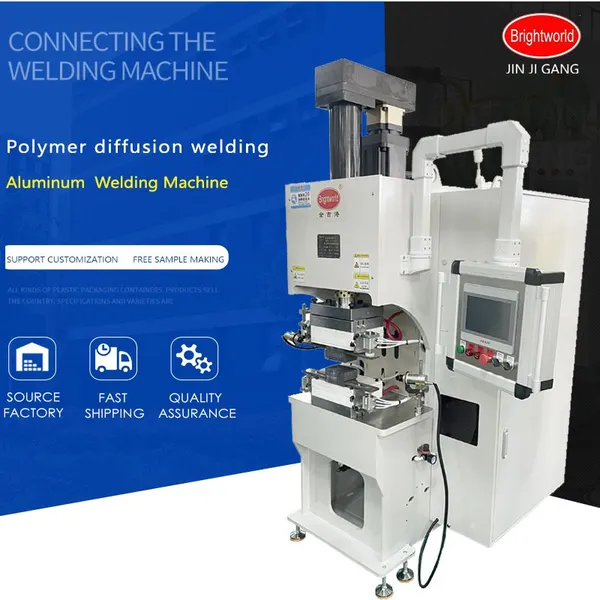
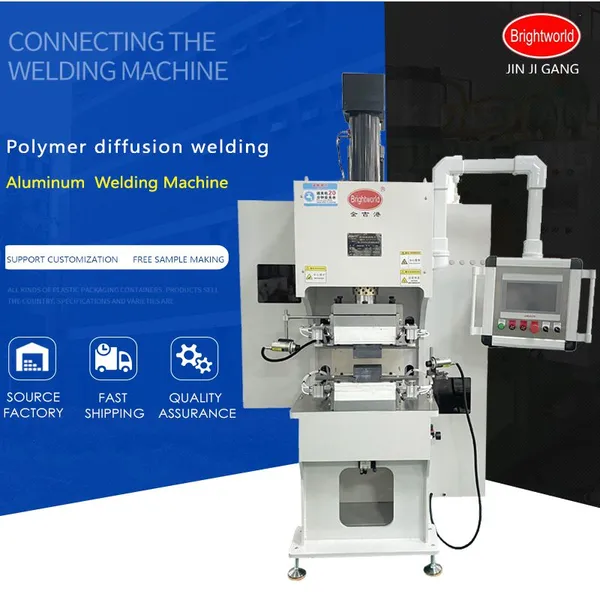
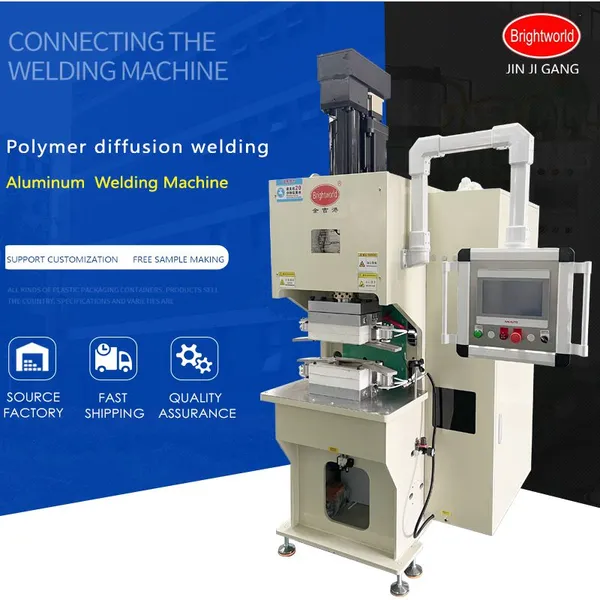
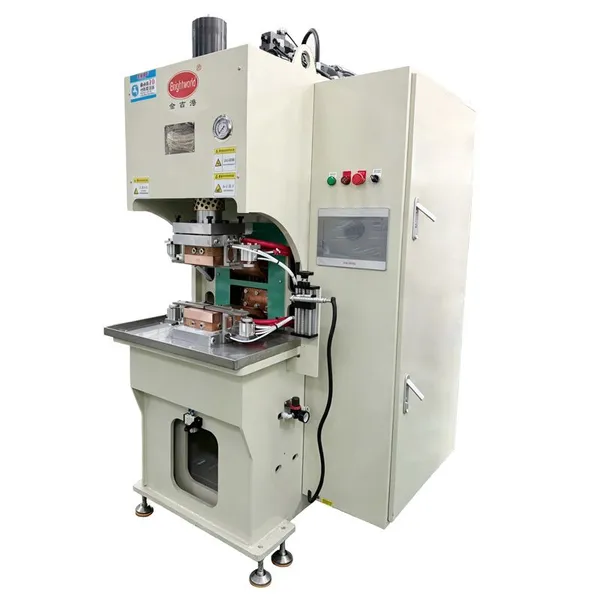
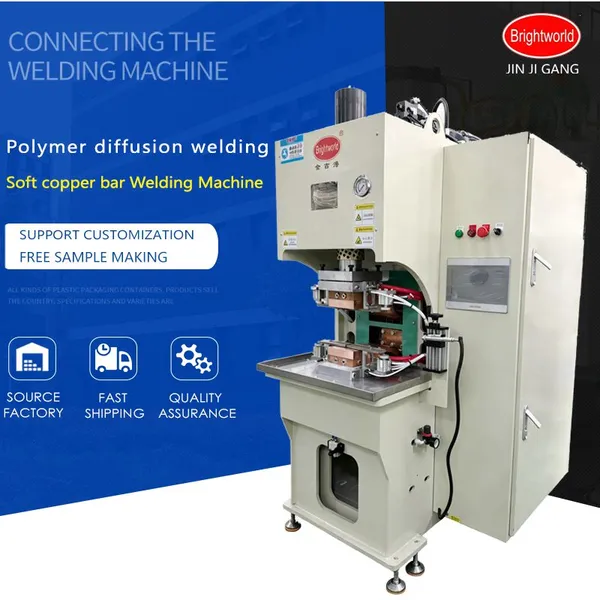
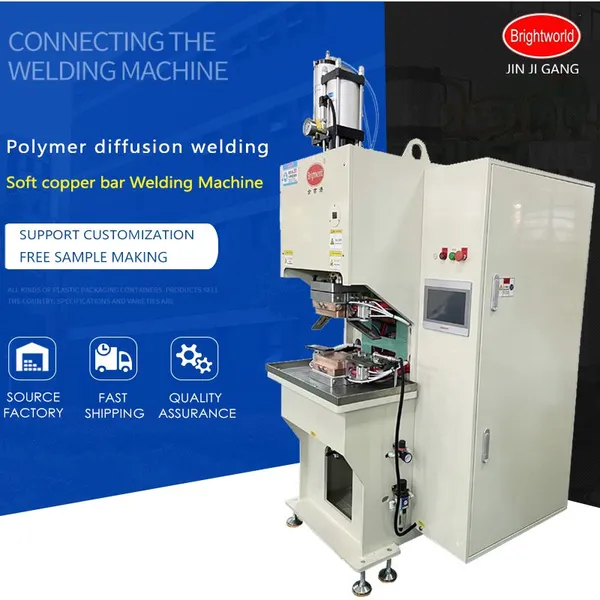
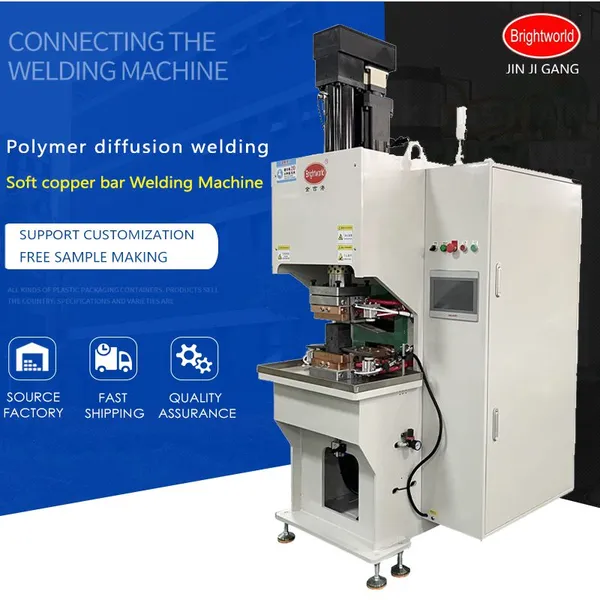
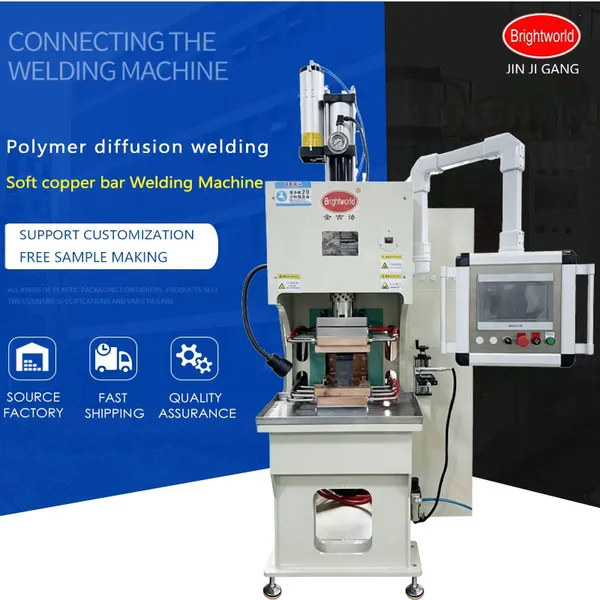
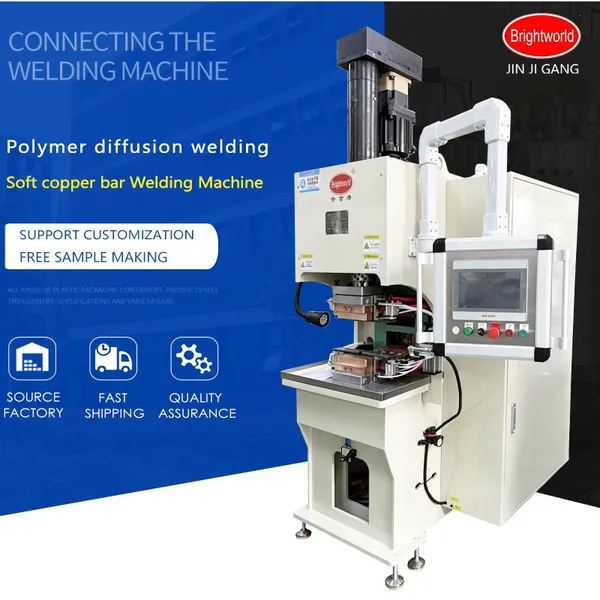
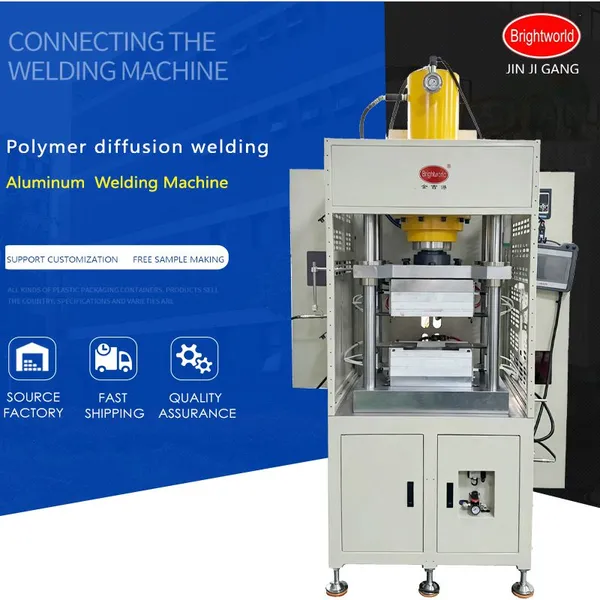
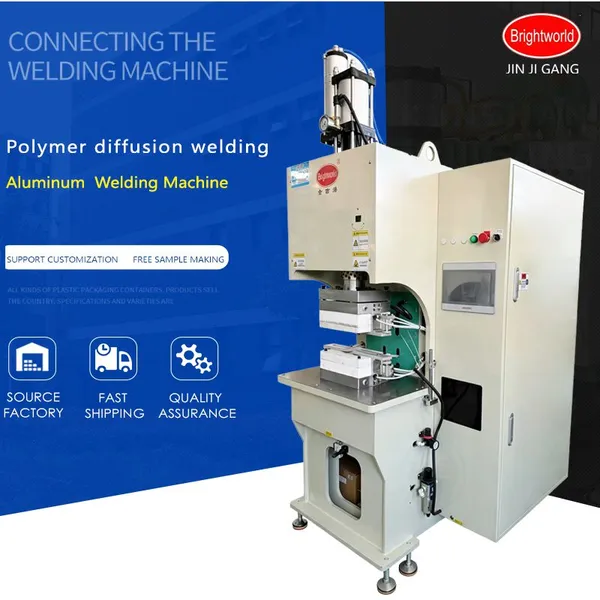
Polymer diffusion welding: This is a solid-phase welding technique, which involves bringing the surfaces to be joined into contact under certain temperature and pressure conditions。
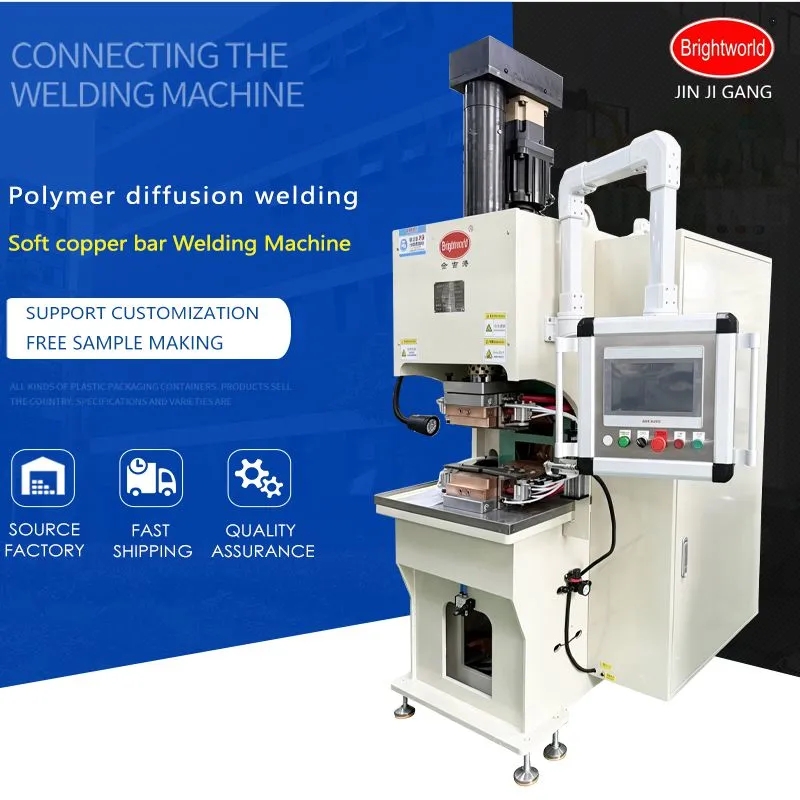
It expands the physical contact of the joined surfaces by inducing local microscopic plastic deformation or through the formation of a microscopic liquid phase on the joined surfaces. Subsequently, the interdiffusion of atoms in the bonding layer occurs over a certain period of time, forming a reliable overall connection and achieving the purpose of material welding。
Its joint resistivity is extremely low, almost identical to that of the base material, and it boasts high mechanical strength. This makes it particularly suitable for scenarios where conductivity and reliability are of utmost importance, such as battery connections in new energy vehicles.
Ultrasonic welding:
By utilizing high-frequency vibrational waves transmitted to two surfaces to be welded, and applying pressure, the metal surfaces are caused to rub against each other, breaking and dislodging the surface oxide layer. Simultaneously, mechanical energy is converted into localized frictional heat, achieving interatomic bonding. The entire process eliminates the need for solder and flux, with minimal heat-affected zones.
The advantages include a small heat-affected zone, no residue, high welding strength, low porosity, minimal deformation, and low welding temperature, making it suitable for welding ultra-thin and precision workpieces. After welding, the workpieces can remain flat.
However, for flexible busbars with large cross-sections (such as those with a thickness exceeding 5mm), ultrasonic energy attenuation is significant, and it may not penetrate all layers. Therefore, it is more suitable for precision welding of busbars with small and medium cross-sections.
resistance welding
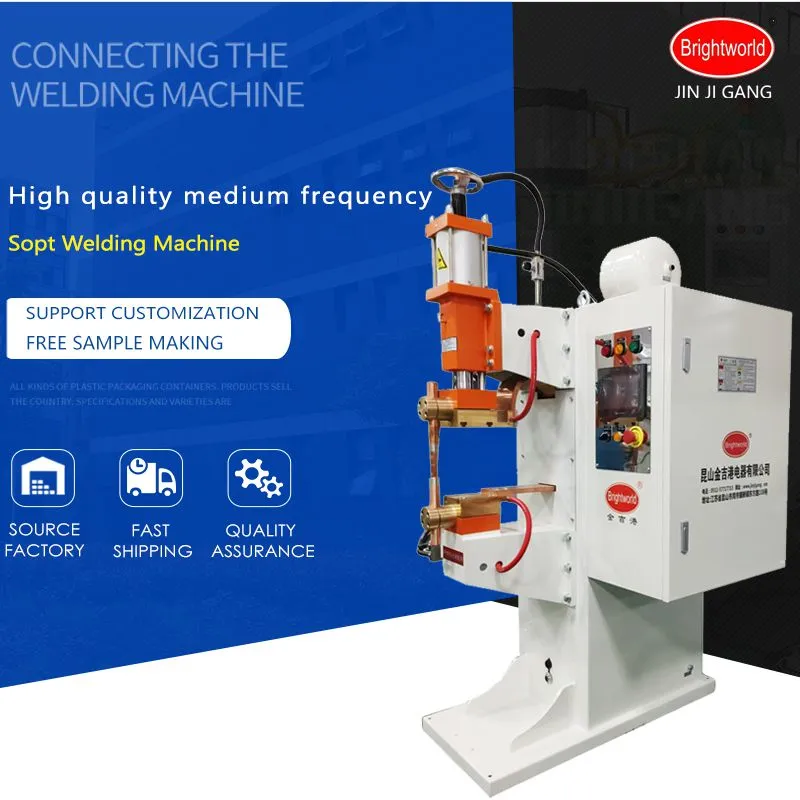
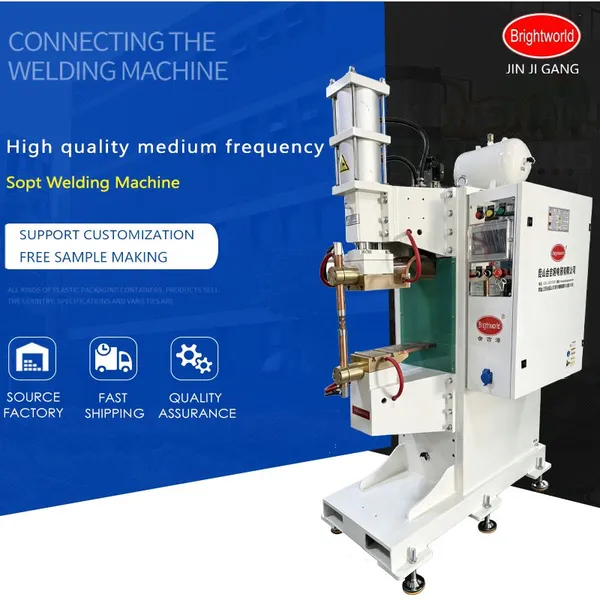
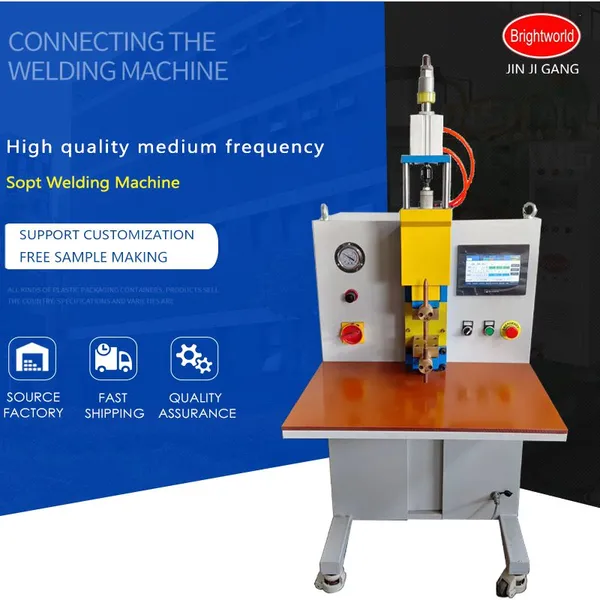
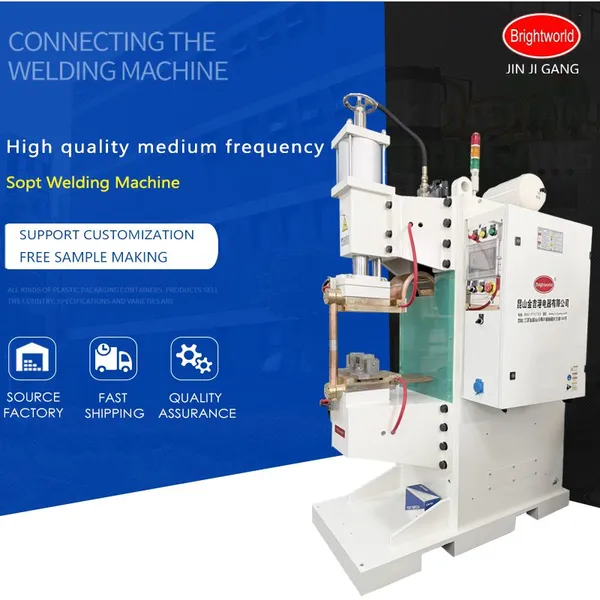
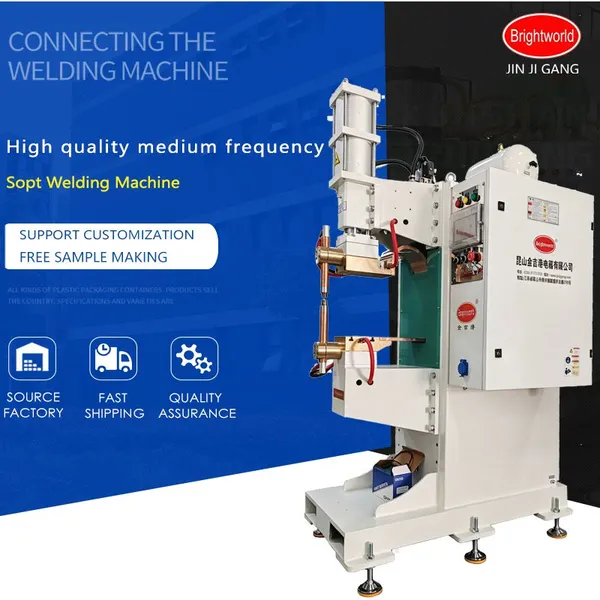
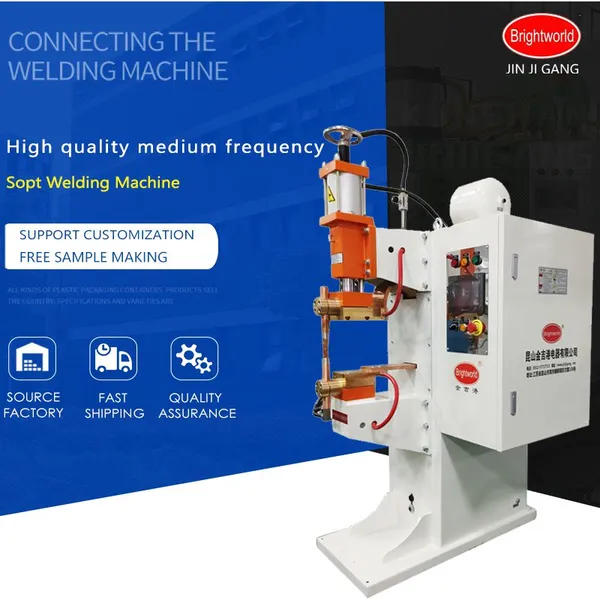
Utilizing the resistance heat generated by passing a large current through the contact surface and adjacent areas of the workpiece to heat it to a molten state, while applying forging pressure to form a connection. It is the most direct and economical way to perform spot welding or seam welding on thick copper bars.

Contact Us
Recommended Products
-
 Jinjigangang Medium Frequency Spot Welding Machine Metal Welding MachineUS$ 7500MOQ: 1 Set
 -
Jinjigangang Metal Welding Machine Medium Frequency Spot Welding Machine BW-MF200US$ 16500MOQ: 1 Set
-
Jinjigangang Metal Welding Machine Medium Frequency Spot Welding Machine BW-MF160US$ 9300MOQ: 1 Set
-
Jinjigangang Medium Frequency Spot Welding Machine BW-MF50 Metal Welding MachineUS$ 7300MOQ: 1 Set
-
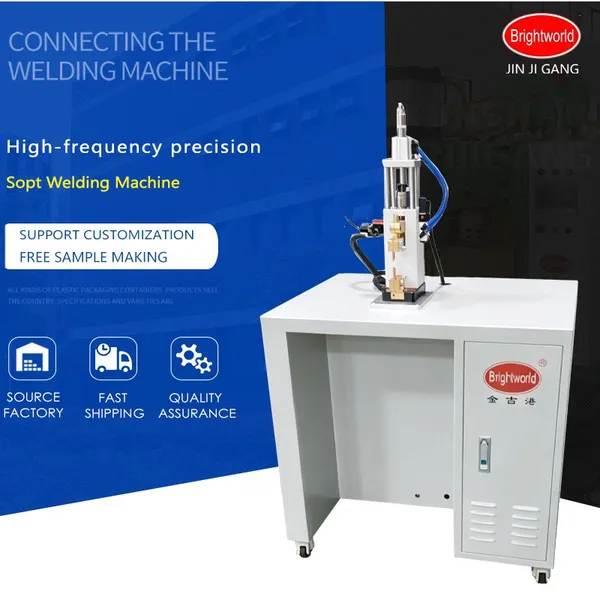
Jinjigangang High-frequency Precision Spot Welding Machine BW-5000MUS$ 4000MOQ: 1 Set
-
Jinjigangang High-frequency Precision Spot Welding Machine BW-5000MUS$ 4000MOQ: 1 Set
-
Hot Press Welder JJG-500KVA Copper Polymer Diffusion Welding Machine Busbar Welding MachineUS$ 46000MOQ: 1 Set
-
Jinjigang Copper Polymer Diffusion Welding Machine High-temperature Busbar Welding Machine JJG-350KVAUS$ 28000MOQ: 1 Set
-
Jinjigang Polymer Diffusion Welding Machine High-temperature Copper Bar Diffusion Welding Machine JJG-200KVAUS$ 18500MOQ: 1 Set
-
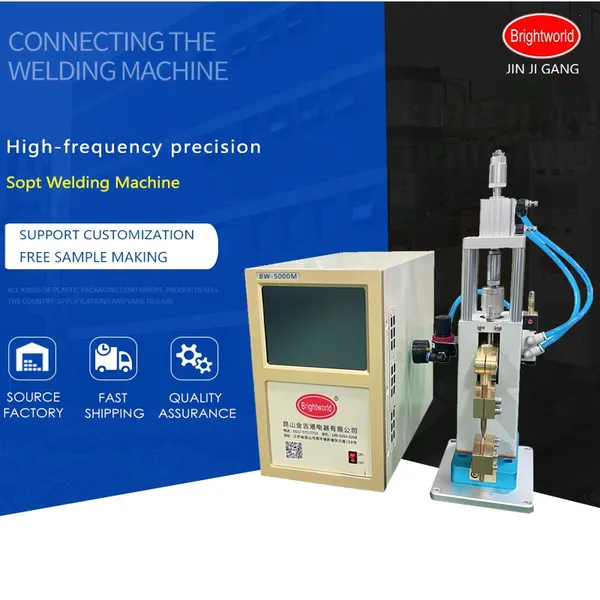
Jinjigang Copper Polymer Diffusion Welding Machine Hot Press Welder JJG-160KVAUS$ 17300MOQ: 1 Set
-
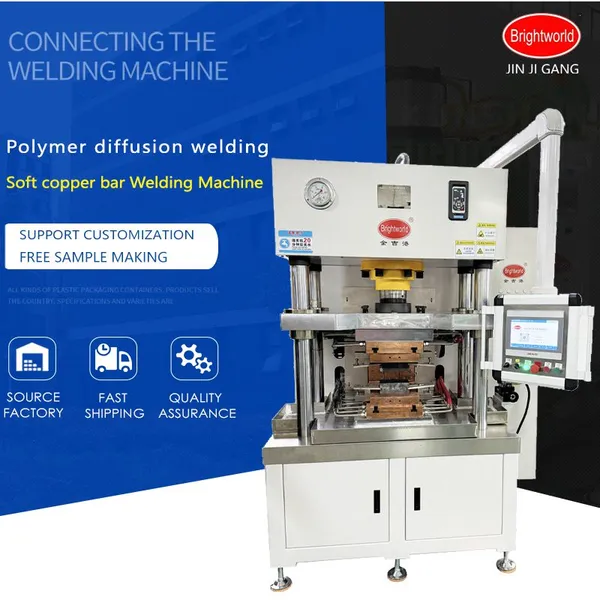
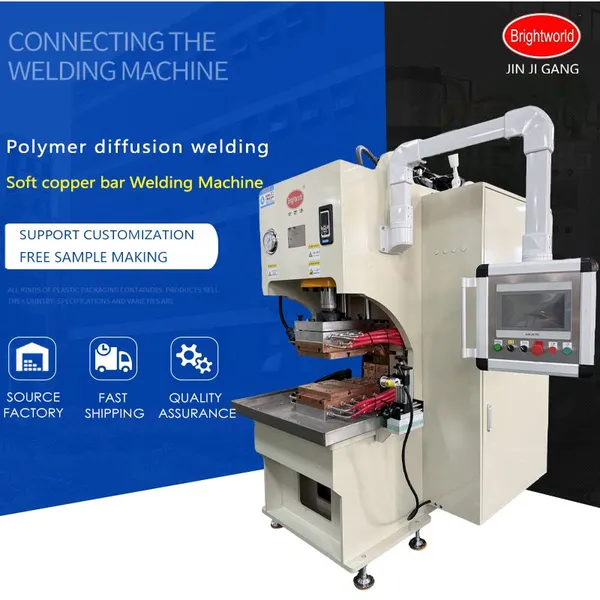
Jinjigang Copper Polymer Diffusion Welding Machine JJG-200KVA Press WelderUS$ 20000MOQ: 1 Set
-
Jinjigang Copper Polymer Diffusion Welding Machine JJG-300KVAUS$ 25000MOQ: 1 Set
-
Hot Press Welder Copper Polymer Diffusion Welding Machine JJG-500KVAUS$ 27000MOQ: 1 Set
-
Jinjigang Soft Aluminum Polymer Diffusion Welding Machine Press Welder Jjg-200KVAUS$ 20000MOQ: 1 Set
-
Jinjigang Aluminum Polymer Diffusion Welding Machine Press Welder Jjg-100KVAUS$ 170000MOQ: 1 Set
-
Jinjigang Aluminum Polymer Diffusion Welding Machine JJG-100KVA Layer Welding MachineUS$ 18500MOQ: 1 Set
-
JJG-130KVA Jinjigang Layer Welding Machine Aluminum Polymer Diffusion Welding MachineUS$ 20000MOQ: 1 Set
-
JJG-100KVA Jinjigang Aluminum Polymer Diffusion Welding Machine Layer Welding MachineUS$ 18500MOQ: 1 Set
-
Hot Press Welder Soft Copper Polymer Diffusion Welding Machine Jjg-200KVAUS$ 21000MOQ: 1 Set
-
Copper Braided Wire Square Welding Medium Frequency Resistance Welding BW-MF200US$ 18000MOQ: 1 Set