 Business License

The spot welder is not
welding machine is undoubtedly a "metal tailor," capable of instantly stitching two pieces of metal together tightly.
Have you ever wondered why this steel giant always needs to be connected to a winding hose, enjoying a continuous "cold shower" during its work?
In fact, cooling water is as crucial to the spot welding machine as blood is to the heart.
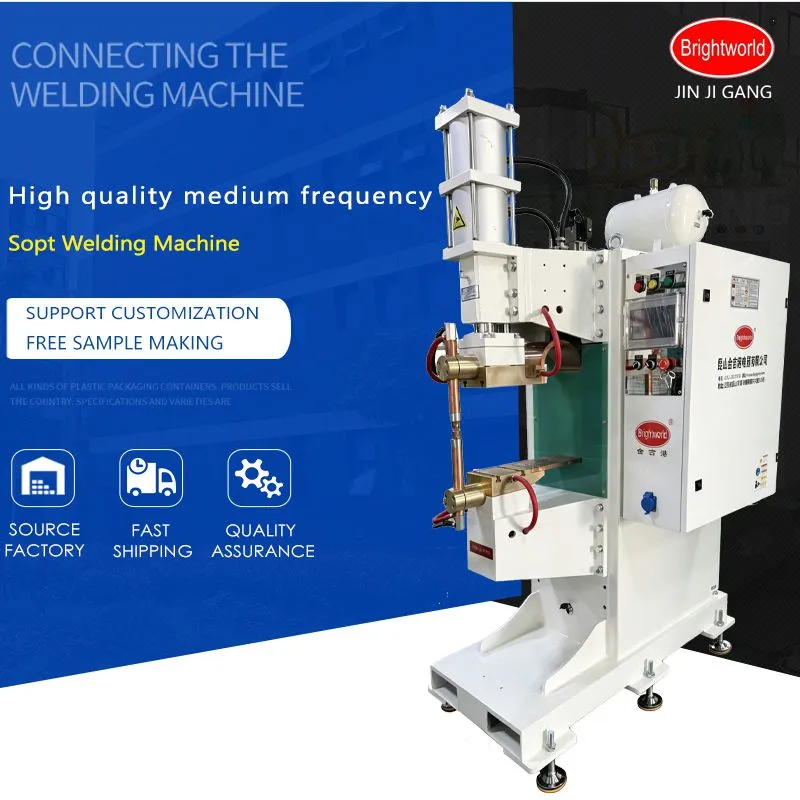
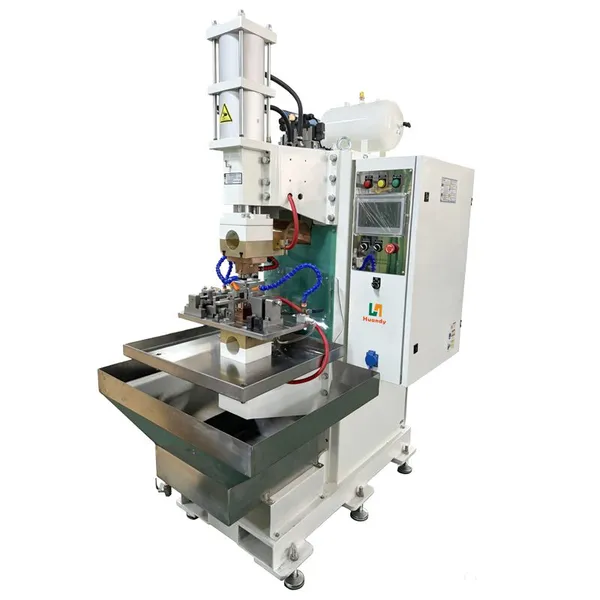
When the spot welding machine operates, it generates a huge current, causing the temperature to soar instantly. Without water circulation for cooling, it would "break down" or even have its core components burned within minutes.
The principle of spot welding is to allow current to pass through the contact surface of the metals being welded, utilizing resistive heat to fuse the workpieces. During a welding cycle, the temperature at the welding spot can reach several hundred degrees Celsius. If this concentrated heat is not quickly removed, the electrode tip will quickly soften and deform.
A deformed electrode will exhibit extremely uneven current density and pressure distribution, which directly leads to uncontrolled solder joint quality, resulting in issues such as cold solder joint and lack of fusion.
The electrode of a spot welder is the component that directly contacts the workpiece, and it wears out very quickly. High temperatures cause the electrode material to soften and wear to intensify. With cooling water, the electrode temperature is strictly controlled, significantly reducing the wear rate.
Typically, a good cooling system can extend the electrode life by 3 to 5 times.
This also means fewer machine downtimes for electrode replacement, faster production cycles, and lower maintenance costs.
The cooling water ensures stable temperature at the contact surface between the electrode and the workpiece, allowing each welding to be completed in the optimal thermal state, resulting in uniform and firm welding points, elevating the quality to a new level.
When you notice an increase in splashes and a ring of black oxide around the welding spot, it is likely due to insufficient cooling capacity. The heat from the electrode accumulates, causing the welding parameters to deviate.
At this time, do not blindly adjust the current or pressure. First, check if the water temperature is normal and if the flow rate is sufficient.
Remember, the spot welder is not "Iron Man", it also has a body temperature - cooling water is its fever reducer.

Contact Us
Recommended Products
-
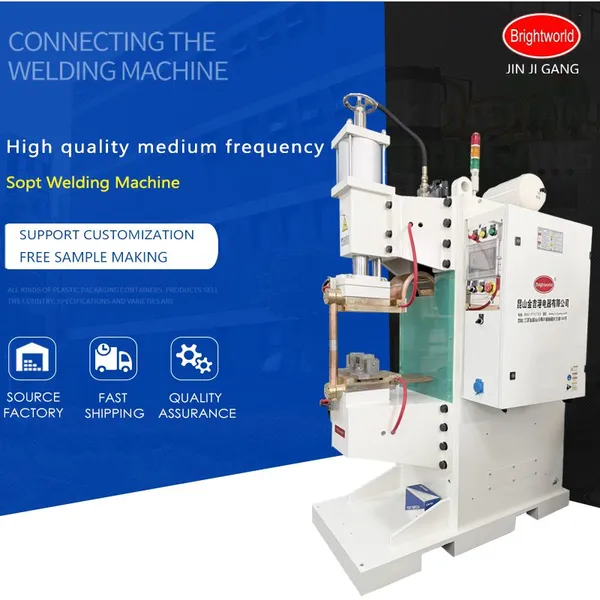
 Jinjigangang Medium Frequency Spot Welding Machine Metal Welding MachineUS$ 7500MOQ: 1 Set
 -
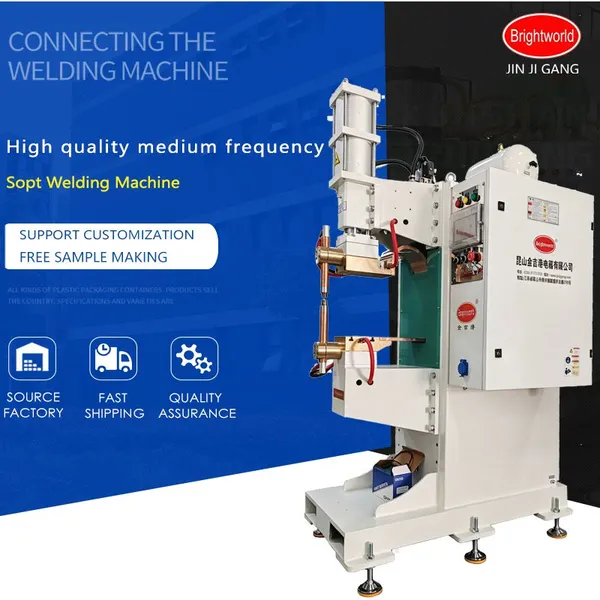
Jinjigangang Metal Welding Machine Medium Frequency Spot Welding Machine BW-MF200US$ 16500MOQ: 1 Set
-
Jinjigangang Metal Welding Machine Medium Frequency Spot Welding Machine BW-MF160US$ 9300MOQ: 1 Set
-
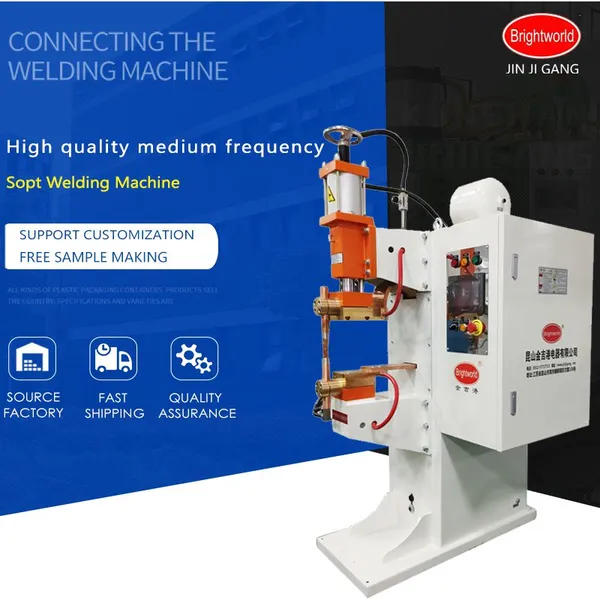
Jinjigangang Medium Frequency Spot Welding Machine BW-MF50 Metal Welding MachineUS$ 7300MOQ: 1 Set
-
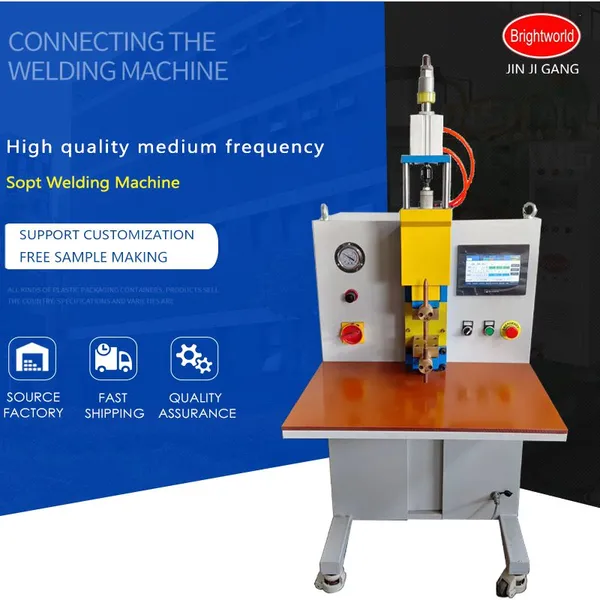
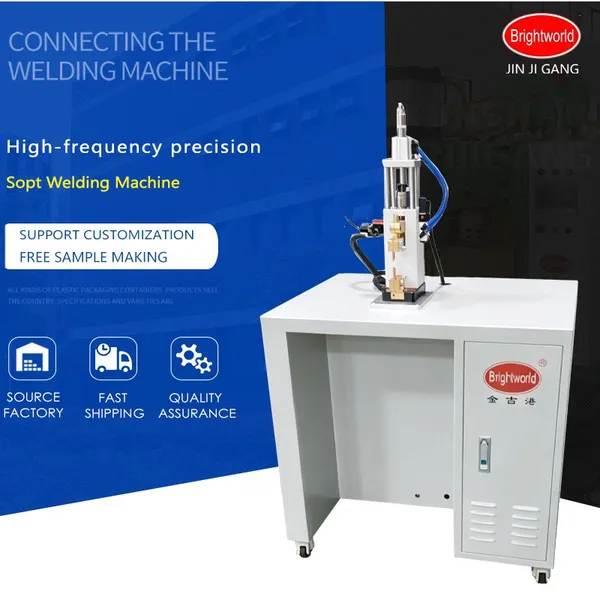
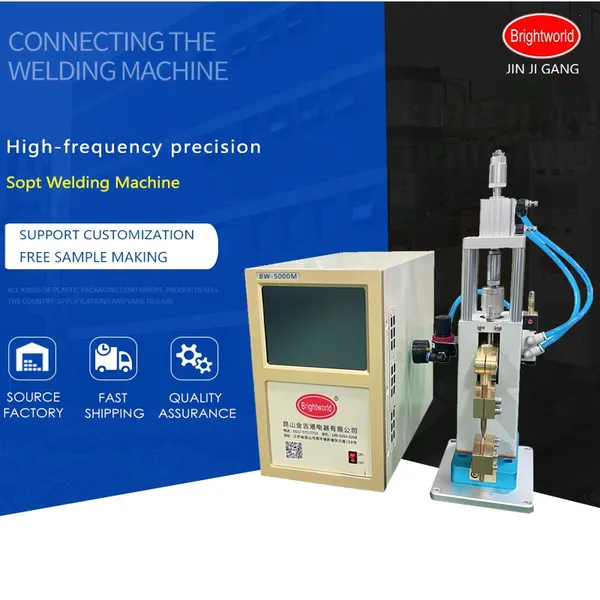
Jinjigangang High-frequency Precision Spot Welding Machine BW-5000MUS$ 4000MOQ: 1 Set
-
Jinjigangang High-frequency Precision Spot Welding Machine BW-5000MUS$ 4000MOQ: 1 Set
-
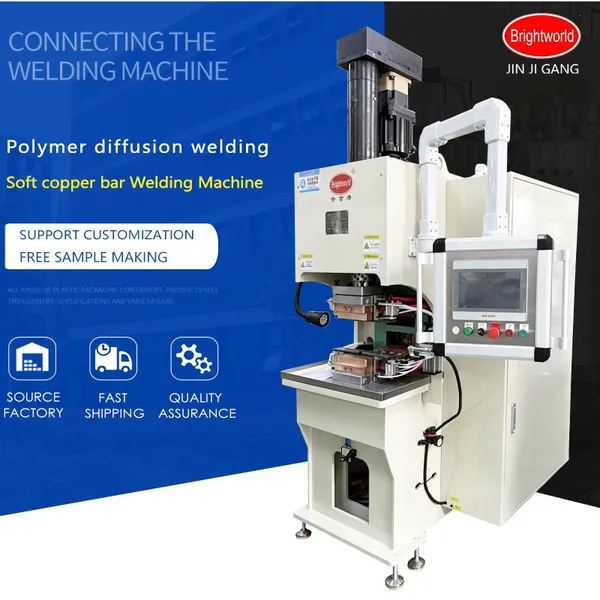
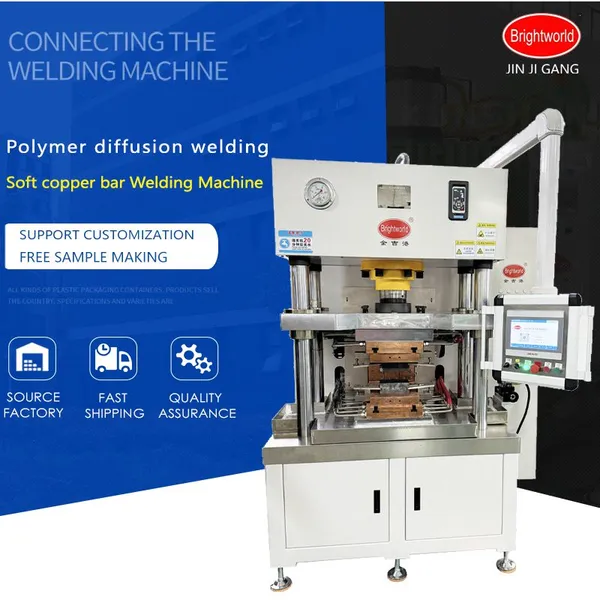
Hot Press Welder JJG-500KVA Copper Polymer Diffusion Welding Machine Busbar Welding MachineUS$ 46000MOQ: 1 Set
-
Jinjigang Copper Polymer Diffusion Welding Machine High-temperature Busbar Welding Machine JJG-350KVAUS$ 28000MOQ: 1 Set
-
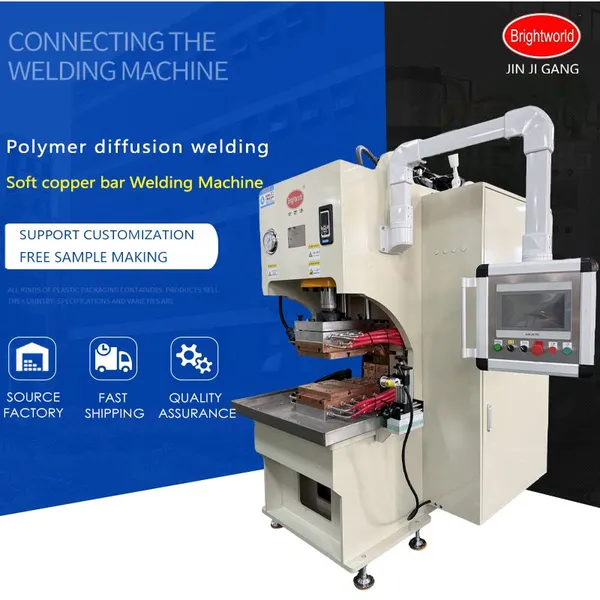
Jinjigang Polymer Diffusion Welding Machine High-temperature Copper Bar Diffusion Welding Machine JJG-200KVAUS$ 18500MOQ: 1 Set
-
Jinjigang Copper Polymer Diffusion Welding Machine Hot Press Welder JJG-160KVAUS$ 17300MOQ: 1 Set
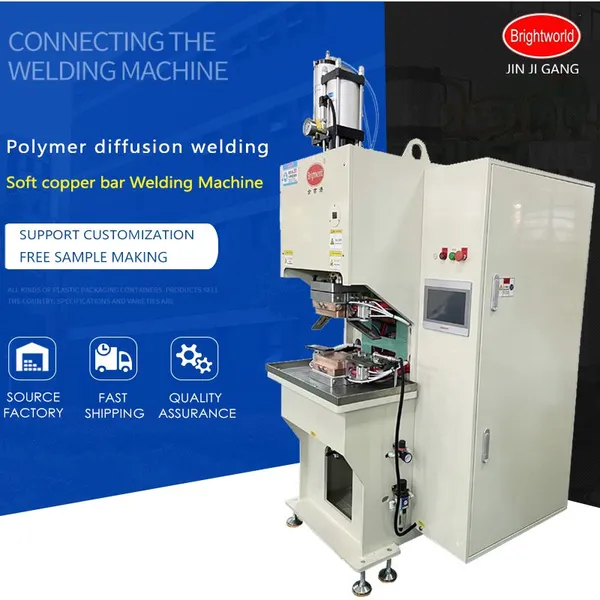
-
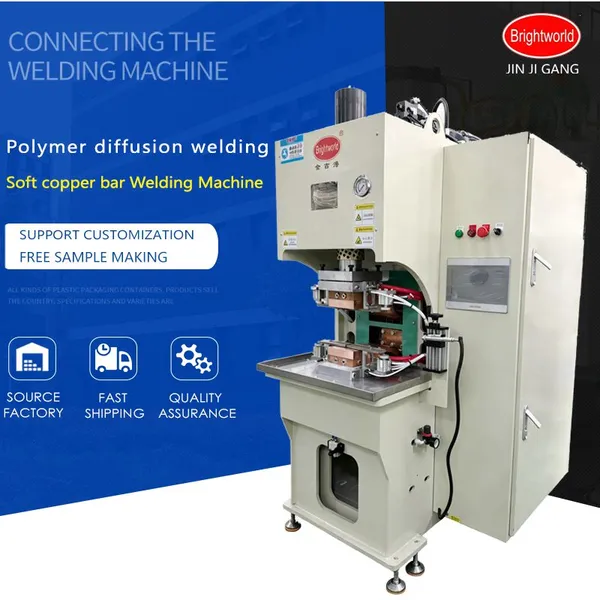
Jinjigang Copper Polymer Diffusion Welding Machine JJG-200KVA Press WelderUS$ 20000MOQ: 1 Set
-
Jinjigang Copper Polymer Diffusion Welding Machine JJG-300KVAUS$ 25000MOQ: 1 Set
-
Hot Press Welder Copper Polymer Diffusion Welding Machine JJG-500KVAUS$ 27000MOQ: 1 Set
-
Jinjigang Soft Aluminum Polymer Diffusion Welding Machine Press Welder Jjg-200KVAUS$ 20000MOQ: 1 Set
-
Jinjigang Aluminum Polymer Diffusion Welding Machine Press Welder Jjg-100KVAUS$ 170000MOQ: 1 Set
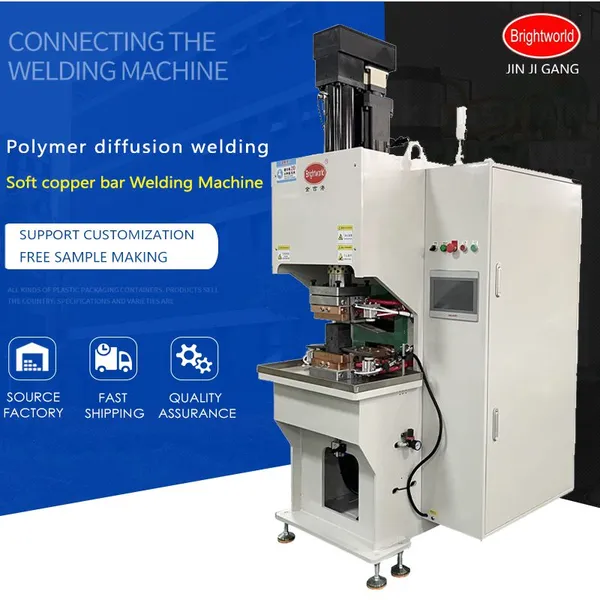
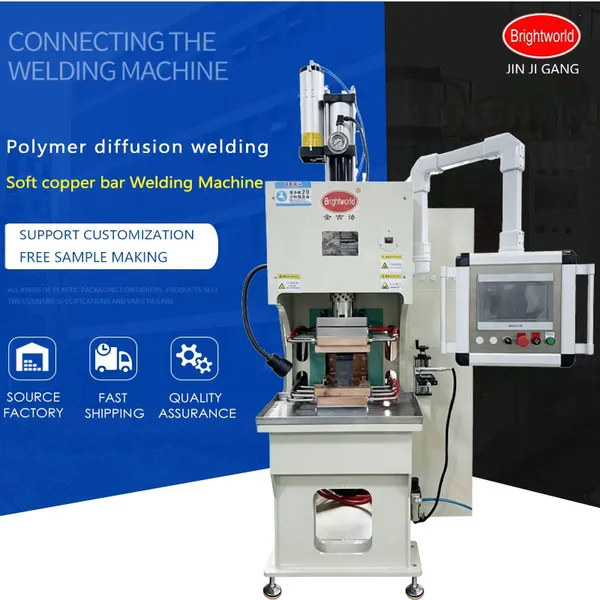
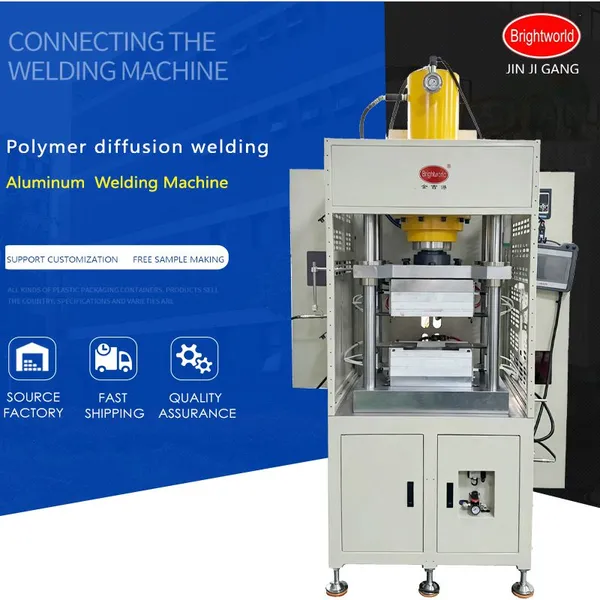
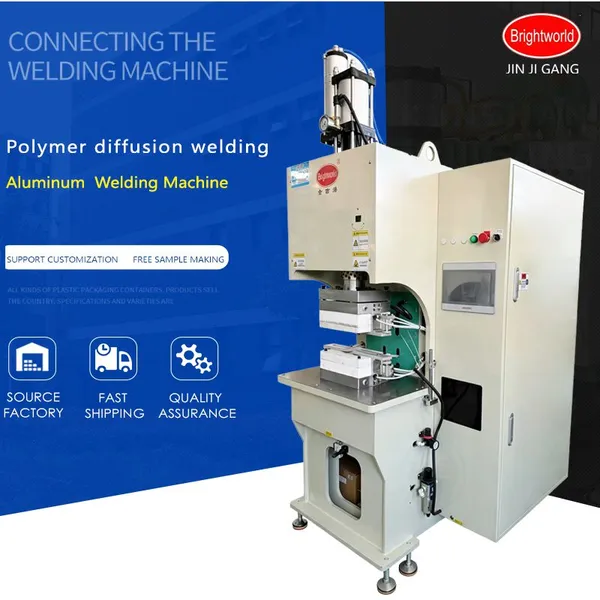
-
Jinjigang Aluminum Polymer Diffusion Welding Machine JJG-100KVA Layer Welding MachineUS$ 18500MOQ: 1 Set
-
JJG-130KVA Jinjigang Layer Welding Machine Aluminum Polymer Diffusion Welding MachineUS$ 20000MOQ: 1 Set
-
JJG-100KVA Jinjigang Aluminum Polymer Diffusion Welding Machine Layer Welding MachineUS$ 18500MOQ: 1 Set
-
Hot Press Welder Soft Copper Polymer Diffusion Welding Machine Jjg-200KVAUS$ 21000MOQ: 1 Set
-
Copper Braided Wire Square Welding Medium Frequency Resistance Welding BW-MF200US$ 18000MOQ: 1 Set